
03.10.2026
Caring for 3D-printed concrete products: planters, benches and fences
Concrete garden products need very little care, but a few simple habits will keep them looking tidy for longer. Here is how to clean planters, benches and fences, what to do in winter and what to avoid.
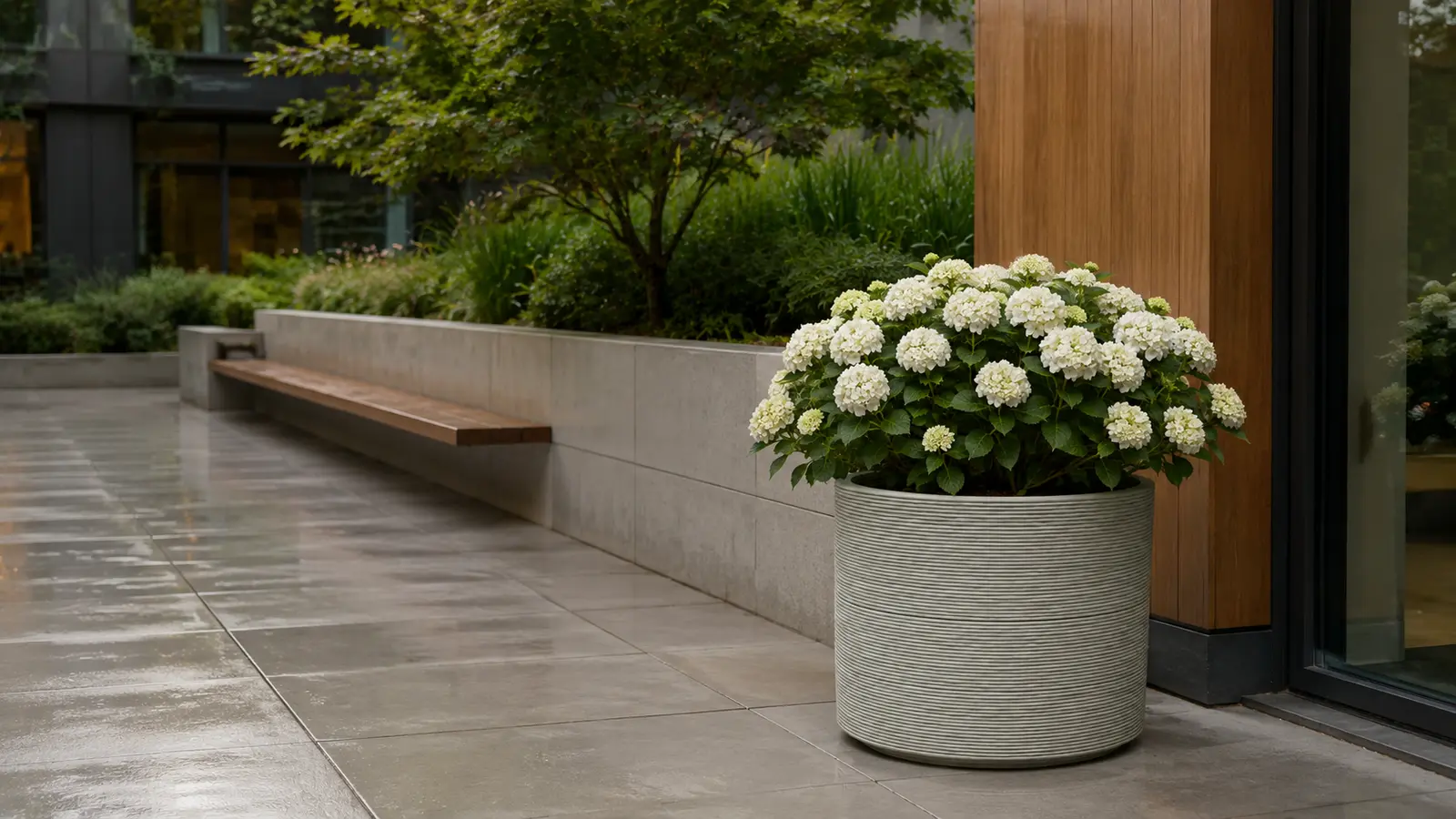
Why so little care is needed
3D BETON products are printed from M250 concrete with crushed stone at a density of 2270 kg/m³ and steam-cured in a chamber. The concrete has frost resistance F150–F200, water resistance W6 and water absorption of up to 3%. Put simply, it is dense, takes up little water and is designed for many freeze-thaw cycles.
The products carry a 20-year warranty, and their design service life is over 100 years. They do not need painting or cladding. The owner's main job is not to damage the surface with harsh products and not to let water sit where it can freeze.
Routine cleaning
In most cases water and a soft or medium brush are enough. Dust, pollen and leaves rinse off easily with a garden hose.
For heavier dirt, use warm water with a mild, acid-free cleaner, then rinse everything thoroughly with clean water. A pressure washer is fine, but keep the nozzle at a distance from the surface and test it on an inconspicuous spot first.
In shady spots moss or green algae can appear on concrete. Remove it with a brush and water; for stubborn growth, use a dedicated concrete cleaner following the manufacturer's instructions.
What not to do
A few things can spoil the look of any concrete, so avoid them:
- do not use acidic products, including limescale removers and vinegar: acids react with the cement paste;
- do not clean the surface with wire brushes or abrasives;
- do not spread salt or de-icing chemicals near the products, and do not throw snow from a salted road onto them;
- do not chip ice off with metal tools;
- do not light a fire directly on a planter or bench unless the product is designed for it.
Planters: water and soil
The key thing for a planter is that water has somewhere to go. Wet soil that freezes in winter expands and presses on the walls. So make sure there is a drainage layer at the bottom and a way for water to escape. If you need a drainage hole of a particular size, discuss it when you order.
Do not leave water standing in saucers or on the top edge. In autumn, clear away fallen leaves: wet leaves hold moisture for a long time and can leave marks. The same goes for rectangular planters and raised beds.
Benches: stains and everyday use
On a concrete bench the most common marks come from drinks, oil or grease after a barbecue. 3D BETON concrete absorbs little water, but it is still best to wash fresh stains off straight away before they set in.
Do not drag heavy metal objects across the seat, and do not put hot cookware straight from the fire onto the surface. In winter, sweep snow off the bench with a broom or a plastic shovel.
Fences and columns in winter
Fence columns are topped with concrete caps that shed water. Check from time to time that the caps are in place and that debris and water are not collecting at the base of the columns.
Clear snow along the fence with a plastic shovel. Do not pile snow mixed with de-icing chemicals against the columns. Keep shrubs and climbing plants a little way from the columns so the surface can dry after rain. You can read more about the column models in the Fences and columns section.
Sealer: needed or not
Thanks to W6 water resistance and water absorption of up to 3%, the products do not need a sealer. If you would like an extra water-repellent effect or easier cleaning, you can apply a concrete impregnating sealer. Choose a product made specifically for concrete, apply it according to the manufacturer's instructions and test it on an inconspicuous spot first, since some sealers slightly change the shade.
A quick check once a year
In spring, after the winter, walk around the plot and check a few things:
- does water drain from the planters, and is the drainage clear;
- are the column caps in place;
- is there any leftover salt or de-icer near the products;
- does winter grime need rinsing off with water and a brush.
Any questions?
If you are not sure how to clean a particular stain, or you would like to order planters, benches or a fence, send a photo or a hand sketch with dimensions via Viber +38 067 401 00 94 or through the form below.
Useful articles
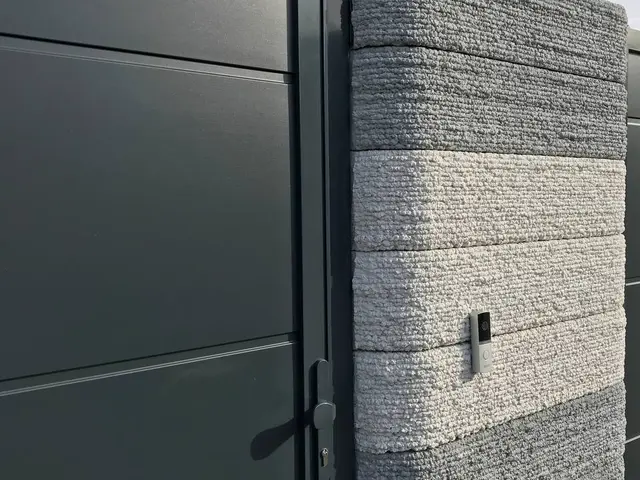
How to choose 3D-printed concrete fence columns
The column sets the character of the whole fence: it decides the look, the budget and what kind of infill you can fit between the posts. Here are the five 3D BETON models, their sizes, prices and where each one works best.
Read the article →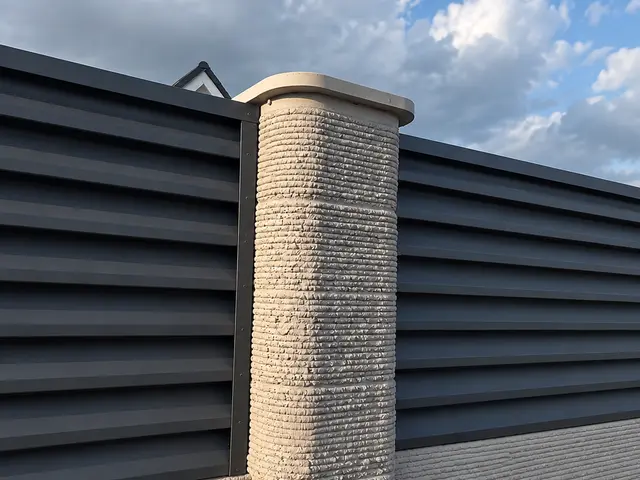
Foundation for a fence with 3D-printed concrete columns
A fence built from 3D BETON concrete columns does not need a strip foundation running around the whole plot. Here is what the columns stand on, how they are tied to the footing and who does the installation.
Read the article →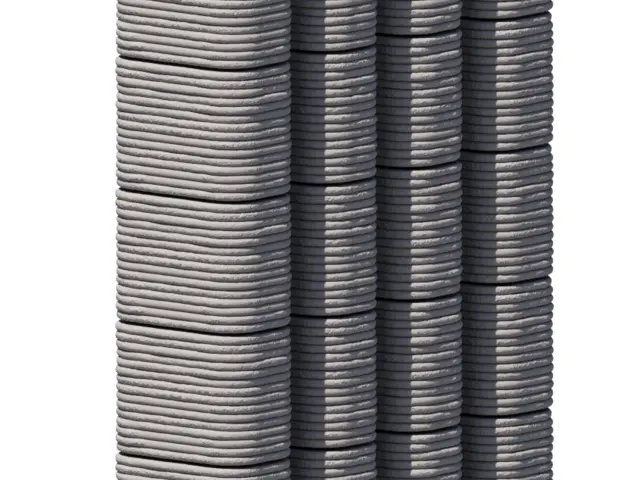
3D-printed concrete columns or brick pillars: which to choose for your fence
For a long time the brick pillar was the standard for a solid fence. Here is how 3D-printed concrete columns differ from it, and when each option makes sense.
Read the article →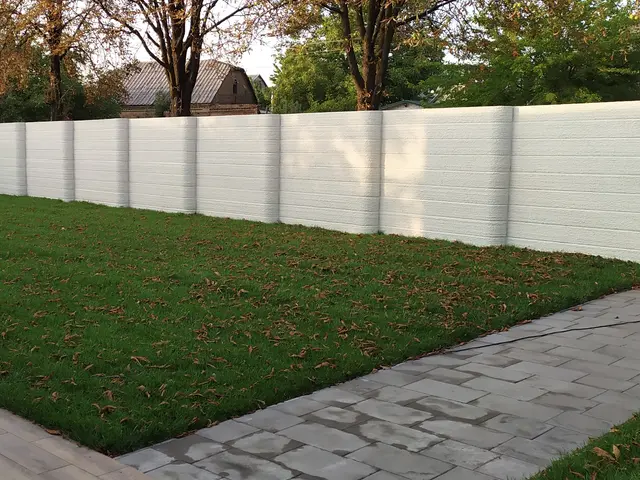
How much does a fence with concrete columns cost: a 30 m worked example
The price of a fence is made up of several parts, and the easiest way to understand it is with a real example. Below we price 30 m of fence with 3D BETON columns in three options, using list prices.
Read the article →Tell us about your project
Send a sketch, drawing or photo of your site. We'll pick the product, work out the price, agree on quantity and delivery, and our partners will handle installation.
- Phone and Viber+38 067 401 00 94
- E-mailinfo@3dbeton.com.ua
- ViberMessage on Viber
Files, drawings and photos are easiest to send via Viber or e-mail.